

Cockroaches infest Maryland homes in search of food, warmth, and shelter. Having lots of clutter, unsealed garbage, dirty dishes, or sweet-smelling foods are major attractants for cockroaches, which tend to infest homes silently for months without detection until a colony is established.
According to the National Pest Management Association, cockroach allergens are found in 63% of U.S. homes, even when residents never see live insects.
In Maryland, cockroach activity is more common due to humidity, dense housing, aging infrastructure, and seasonal temperature shifts.
Our field experience consistently shows that cockroaches are not just a cleanliness issue. Homes of all types, including well-maintained properties, can develop infestations if conditions allow access, moisture, and food.
Below are the most common reasons cockroaches infest Maryland homes, based on real inspection and treatment data.
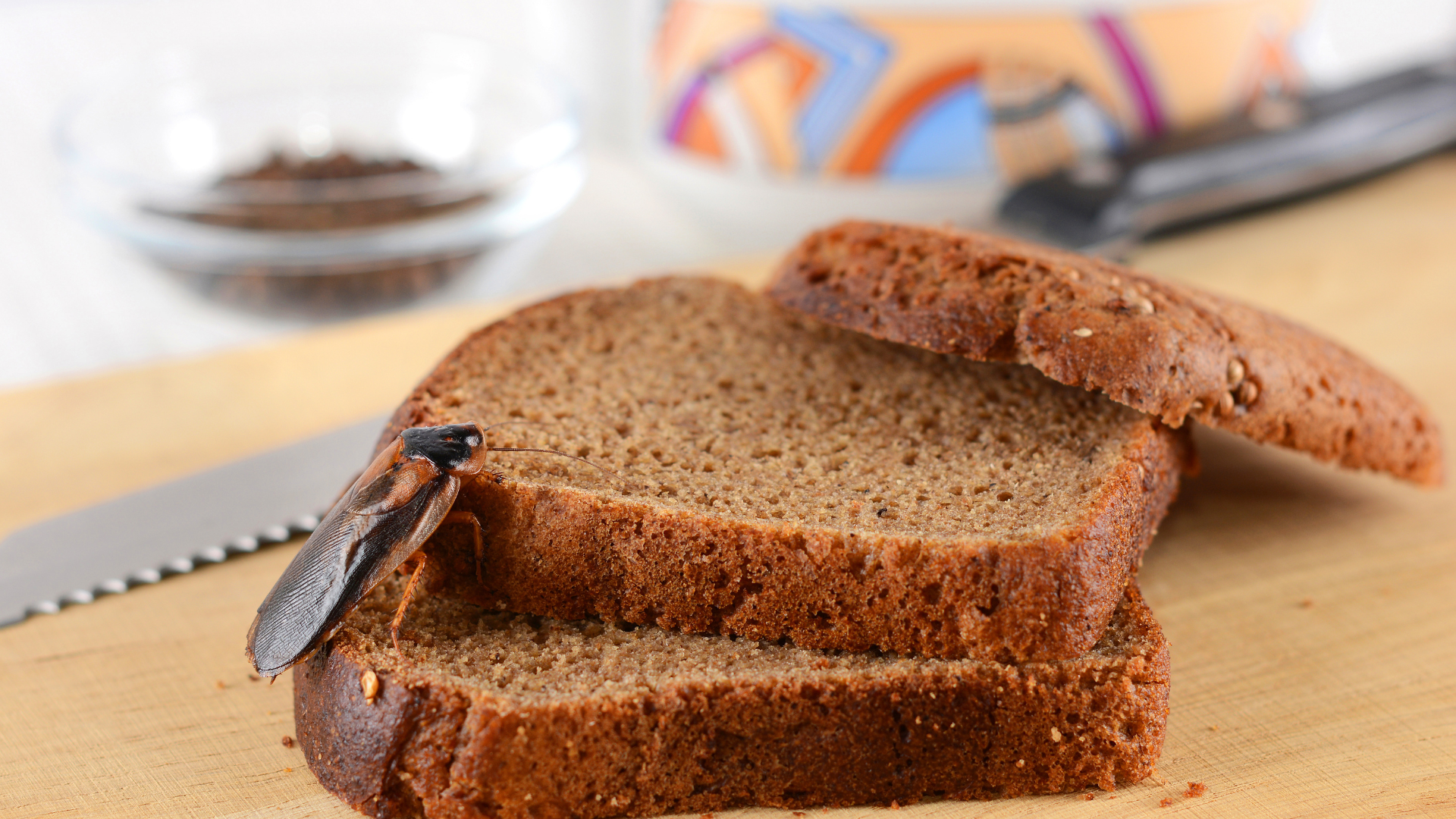
1. Unsealed Trash
Cockroaches are scavengers and will be attracted to food scraps that may be lying around your trash.
Leaving your trash can unsealed or overflowing with food scraps will attract these pests, in addition to ants and other insects.
Sealing trash bags, using lidded containers, and removing garbage regularly will reduce cockroaches’ attraction to your home.
2. Poor Landscaping
Cockroach infestations begin outdoors before spreading indoors.
Leaves, mulch, woodpiles, and organic debris hold moisture and shelter insects that cockroaches feed on. These exterior conditions support outdoor roach populations that migrate indoors when temperatures drop.
In Maryland, cockroaches commonly move inside during late fall and winter as outdoor shelter becomes unstable.
3. Excess Moisture
Cockroaches are drawn to areas with excess moisture, such as underneath sinks and leaky faucets. They are most commonly found in kitchens and bathrooms, areas of the home where leaks are typically found.
They may also linger around laundry rooms or damp basements with leaky pipes. Check these areas of your home to ensure you’re not attracting these pests.
Eliminate all standing water with a wet vac, and run a dehumidifier in basements and attics to reduce moisture that could attract cockroaches.
4. Food Crumbs
Food crumbs left on plates or dirty dishes in the sink will attract cockroaches–especially greasy or sweet foods.
Cockroaches can survive on microscopic food particles. Grease splatter, crumbs under appliances, and dirty dishes are enough to sustain infestations.
Regular cleaning reduces access to food but does not prevent roaches if entry points and nesting sites remain available.
5. Open Pet Food
Pet food is a reliable food source for cockroaches. Open bowls, spilled kibble, and unsealed bags provide a consistent source of nutrition that allows roaches to survive and reproduce quickly. Feeding areas often combine food, moisture, and warmth, making them ideal activity zones.
Storing pet food in airtight containers limits access, but it does not eliminate infestations already established inside walls, cabinets, or appliances. Structural access and nesting areas must still be addressed to stop roach activity.
6. Open Access
Cockroaches can compress their body to half their size, allowing them to enter homes through even the narrowest of gaps and cracks. They only need a gap of about 1/16th of an inch to crawl through, making it extremely easy for them to enter a residence.
Caulk and seal any open gaps in your home. This can be done affordably using a “do-it-yourself” approach. Inspect entry points where roaches may enter your home, and use caulk to seal any gaps or cracks.
7. Location
Cockroaches are more prevalent in urban areas and are commonly found in sewers, subway tunnels, and city streets. They can also make their way into Baltimore apartments through connecting walls of other apartments, making it easy for entire apartment buildings to become infested.
If you live in a densely populated area, take extra precautions, such as investing in a preventative pest control plan.
How Cockroaches Enter Maryland Homes
In Maryland homes, cockroaches commonly enter through gaps around utility lines, plumbing penetrations, and foundation openings.
Worn door thresholds and failing weather stripping create additional access points, especially in older homes. In townhomes and apartment buildings, cockroaches frequently move between units through shared walls, plumbing chases, and electrical pathways.
Sewer and drain systems are another common entry route, particularly for larger cockroach species that thrive in moist environments. Once inside, cockroaches quickly establish hidden nesting areas where surface cleaning has little impact.
Many homeowners focus on cleaning kitchens and bathrooms while overlooking the exterior and structural entry points that allow cockroaches inside in the first place.
When Should You Call an Exterminator for Cockroaches?
Contact a pest control company at the first sign of a cockroach.
If you see a cockroach, especially during the day, the infestation is likely established and cannot be treated with store-bought sprays and natural deterrents. Cockroaches reproduce quickly and hide in inaccessible areas where DIY treatments cannot reach.
Professional cockroach control identifies nesting zones, entry points, and migration paths to develop a plan to eliminate cockroaches entirely.
Integrated pest management (IPM) targets pest populations and prevents reinfestation rather than providing only temporary relief.
FAQs
What smell keeps cockroaches away?
Cockroaches dislike several scents, including bay leaves, cinnamon, garlic, coffee grounds, and citrus. However, these scents are not powerful enough to keep cockroaches away, especially if food, shelter, and moisture are available.
Where do you find out where cockroaches are coming from?
Turn on the lights in a dark room and see where the insects run. If this doesn’t work, you can also use a flashlight to look in places they might be hiding, such as behind furniture, under the refrigerator, and in sinks and cabinets.
Where do roaches hide during the day?
During the day, cockroaches typically hide in dark, moist areas around the home. Cockroaches are most active at night when they leave their hiding spaces to forage for food or mate.
If you begin to see cockroaches during the day, it may be indicative of a larger infestation, as their hiding spots may be overcrowded.
Why do cockroaches keep coming back after cleaning?
Cleaning removes surface food but does not eliminate nesting sites, moisture sources, or entry points. Cockroaches return as long as shelter and access remain.
Can cockroaches live inside walls and appliances?
Yes. Cockroaches commonly nest inside wall voids, behind cabinets, under refrigerators, and inside appliances where heat and moisture are present.
How fast do cockroaches reproduce?
Some species can produce hundreds of offspring in a year. This rapid reproduction allows small infestations to grow quickly if not professionally treated.
Are cockroaches a sign of a dirty home?
No. Cockroaches infest homes based on access, moisture, and shelter. Clean homes can still develop infestations if structural conditions allow entry.
>CTA: SCHEDULE A FREE COCKROACH INSPECTION