

German cockroaches are nocturnal creatures and leave behind signs, such as droppings, smear marks, and a foul odor, that indicate their presence before they’re ever spotted.
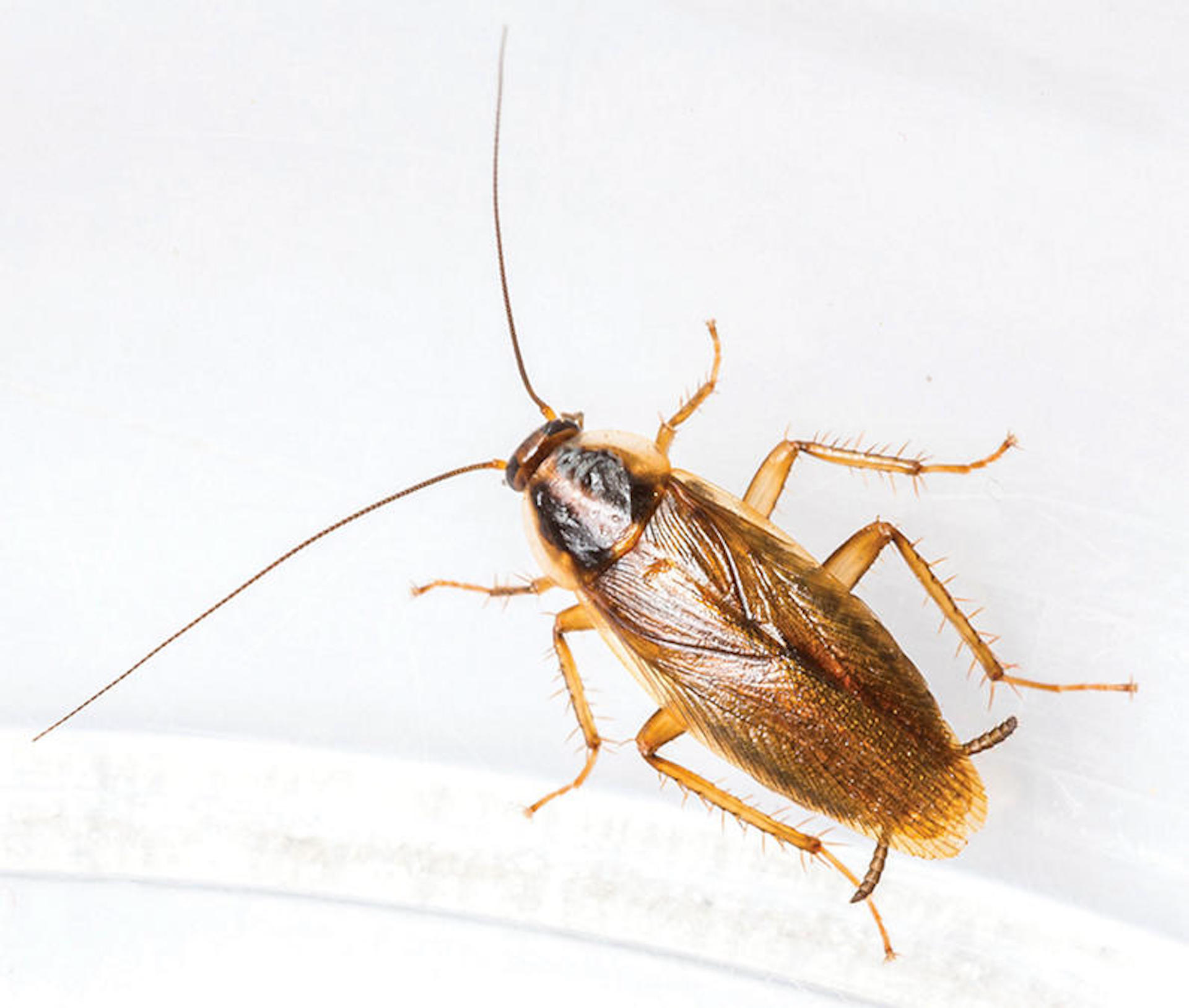
German cockroaches (Blattella germanica) are the most common cockroach species in the United States and the most frequently encountered in Maryland homes and commercial food facilities.
They reproduce faster than any other roach species; a single female can produce up to six egg cases in her lifetime, each containing 30 to 40 eggs, with nymphs reaching reproductive maturity in as little as 36 days under favorable conditions.
According to the US Census, over 14 million homes experience cockroaches every year.
A German cockroach infestation is usually larger than it looks. For every cockroach you see, researchers estimate there are roughly 10 more you are not seeing.
By the time visible signs appear in a Baltimore kitchen or bathroom, a colony of hundreds of individuals is typically already established.
Knowing what to look for is the first step to combating a German roach infestation in Maryland.
Here are the 10 signs that indicate an active German cockroach infestation, why each one matters, and what it tells you about the size and location of the population.
How Dangerous Is a German Cockroach Infestation?
German cockroaches are a documented public health threat, capable of transmitting at least 33 species of bacteria, 7 human pathogens, and 6 parasitic worm species, according to research published in the Journal of Medical Entomology.
Their feces, shed skins, and saliva contain proteins that function as indoor allergens. A landmark study in the Journal of Allergy and Clinical Immunology found cockroach allergens present in 63 percent of U.S. homes, with the highest concentrations in urban housing.
In Baltimore’s older rowhouse stock, exposure to cockroach allergens is a well-documented driver of pediatric asthma hospitalizations.
German cockroaches also develop insecticide resistance rapidly. Populations in Baltimore and the Maryland metropolitan area have demonstrated resistance to multiple pyrethroid compounds commonly used in consumer and professional cockroach products, which is why over-the-counter sprays frequently fail to resolve established infestations.
10 Signs of a German Cockroach Infestation
Signs of a German roach infestation often appear before they are spotted, so it’s important to recognize these signs to detect an infestation early.
Look out for these 10 signs of a German cockroach infestation and contact an exterminator if you spot any of them.
1. Foul, Musty Odor You Cannot Locate
A pervasive oily or musty smell in a kitchen, bathroom, or utility area is one of the earliest indicators of a German cockroach population.
German cockroaches produce pheromones and leave chemical trails that recruit other colony members to food, water, and shelter.
At high population densities, these compounds create a distinctive, unpleasant odor that intensifies as the population grows. In our experience treating Baltimore homes, a noticeable cockroach odor typically indicates a substantial infestation already in place; this is usually not an early-stage problem.
If the smell is detectable in multiple areas or at different times of day, the infestation has likely spread beyond a single nesting site.
2. Droppings on Horizontal Surfaces and Inside Cabinets
German cockroach droppings are the most consistently visible physical evidence of an infestation and appear as small, dark specks resembling pepper flakes or ground coffee.
They accumulate on countertops, along the inside edges of cabinet shelves, behind and beneath appliances, inside drawer tracks, and along baseboards. Unlike the cylindrical droppings of American cockroaches, German cockroach frass is small and granular, rarely exceeding 1mm in size.
High concentrations of droppings in a specific area indicate active harborage zones; these are the locations where the population is concentrated and are the primary targets for professional treatment.
3. Smear Marks Along Walls and Transition Points
Dark, irregular smear marks on walls, along the tops of door frames, and around cracks and gaps indicate high-traffic cockroach movement pathways.
German cockroaches are thigmotactic, meaning they prefer tight spaces where their bodies make contact with surfaces on multiple sides simultaneously.
The grease and fecal matter on their bodies leave smear marks at the entry and exit points of the harborage zones they use repeatedly.
Finding smear marks at a specific crack or gap tells you where cockroaches are entering and exiting their primary shelter.
4. Shed Skins (Exuviae) in Sheltered Areas
Finding pale, cockroach-shaped casings in undisturbed areas is direct evidence of an active, reproducing population.
German cockroaches molt between five and seven times as nymphs before reaching adulthood.
Each molt leaves behind an intact exuviae. These are most commonly found inside wall voids, behind appliances, and under your sink.
5. Live Sightings During the Day
Seeing German cockroaches during daylight hours is a sign that the population has grown large enough to displace individuals from the primary nest.
German cockroaches are strongly nocturnal. Daytime sightings occur when competition for space and resources within the primary nesting areas has become intense enough to force individuals out during the hours when they would normally remain hidden.
A single daytime sighting should be taken seriously. Multiple daytime sightings indicate an infestation that has been developing for some time and requires immediate professional attention.
6. Egg Cases (Oothecae) in Harborage Areas
German cockroach egg cases are light brown, ridged, and approximately 6 to 9mm long—smaller than the egg cases of American or Oriental cockroaches.
Unlike other cockroach species that deposit their egg cases in protected locations early in development, German cockroach females carry their ootheca until 1 to 2 days before hatching, then deposit it in a sheltered spot.
Finding egg cases near a refrigerator motor, inside a cabinet hinge area, or along a baseboard indicates an active reproductive female was present and the population is actively expanding.
7. Allergic Reactions and Worsening Respiratory Symptoms
Persistent sneezing, runny nose, skin irritation, or worsening asthma symptoms may indicate cockroach allergen exposure rather than a seasonal or environmental allergy.
German cockroach proteins in feces, shed skins, and saliva become airborne as they dry and break down, functioning as potent indoor allergens.
The WHO and the American Academy of Allergy, Asthma, and Immunology recognize cockroach allergen as a primary trigger of asthma attacks in sensitized individuals.
Symptoms that improve when a person leaves the home and worsen on return are a meaningful diagnostic signal.
8. Damage to Food Packaging and Stored Items
Irregular gnaw marks or small holes in cardboard food packaging, paper goods, and stored organic materials indicate cockroach feeding activity.
German cockroaches are omnivores that feed on starch, sugar, grease, meat, leather, soap, and paper products. Damage to cereal boxes, flour bags, and pantry items is common in kitchen infestations.
9. Activity Around Appliances and Plumbing
German cockroaches consistently aggregate around heat and moisture sources.
Refrigerator motors, dishwasher pump housings, stove burner areas, garbage disposals, and the underside of kitchen sinks are the most common primary harborage locations in Maryland residential kitchens.
Inspecting behind and beneath these appliances, particularly the motor compartments, is essential for identifying nests. In commercial food service environments, fryer and steam table areas are the highest-risk locations.
10. Nocturnal Activity When Lights Come On
Seeing multiple cockroaches scatter rapidly when a kitchen or bathroom light is turned on at night is a strong behavioral indicator of an active, established population.
German cockroaches avoid light and retreat to their nest immediately when exposed. If multiple individuals are visible before they can scatter the population in that space is large.
German Cockroach vs. American Cockroach: Key Differences
German and American cockroaches are frequently confused, but represent very different infestation scenarios.
| Feature | German Cockroach | American Cockroach |
| Size | 1/2 to 5/8 inch | 1.5 to 2 inches |
| Color | Light tan to brown | Reddish-brown |
| Markings | Two dark parallel stripes behind the head | Yellow figure-8 pattern on head |
| Wings | Has wings but rarely flies | Has wings, capable of flight |
| Primary habitat | Indoors — kitchens, bathrooms, appliances | Basements, drains, sewers, outdoors |
| Reproduction rate | Very high — 36 days egg to adult | Slower — 6 to 12 months egg to adult |
| Infestation size | Hundreds to thousands | Typically smaller indoor populations |
German cockroaches are strictly indoor pests that rarely survive long outside a structure. Finding them indicates an active indoor breeding population, not accidental entry from outside.
American cockroaches more commonly enter from sewers, drains, and outdoor environments and do not establish as quickly in indoor harborage.
How to Prevent German Cockroaches in Maryland Homes
German cockroaches cannot survive without food, water, and shelter. Eliminating access to these resources makes a structure significantly less hospitable.
- Eliminate standing water and moisture sources: Fix leaking pipes, seal gaps around plumbing penetrations, and address condensation under sinks. German cockroaches can survive on water alone and maintain colonies indefinitely in high-moisture environments, even without access to food.
- Remove food sources and organic debris: Store dry goods in sealed hard-sided containers. Clean grease accumulation from stove burners, drip pans, and under appliances regularly. German cockroaches feed on grease residue, food particles, and organic debris in drain lines.
- Seal entry and harborage points: Caulk gaps around plumbing penetrations, under-sink cabinet backs, and the junction between countertops and walls. Remove cardboard boxes, which provide both shelter and food.
- Inspect items entering the home: German cockroaches are most commonly introduced inside grocery bags, cardboard boxes, used appliances, and second-hand furniture. Inspecting these items before bringing them inside prevents introduction.
Cockroaches are a serious health hazard in Maryland, especially in commercial settings. Contact a responsive pest control professional immediately to eliminate the problem safely, quickly, and effectively before it spreads throughout your property.
Frequently Asked Questions
What are the first signs of a German cockroach infestation?
The earliest signs of a German cockroach infestation are typically small dark droppings resembling ground pepper on countertops and inside cabinet edges, and an unexplained musty or oily odor in the kitchen or bathroom. Because German cockroaches are nocturnal, populations can grow substantially before live sightings occur.
Finding droppings or smear marks should prompt a professional inspection even before any cockroaches are seen.
How fast do German cockroaches reproduce?
German cockroaches reproduce faster than any other house-infesting cockroach species. A female produces up to six egg cases in her lifetime, each containing 30 to 40 eggs.
Under optimal conditions, nymphs reach reproductive maturity in as little as 36 days. A single mated female can theoretically give rise to tens of thousands of descendants in one year under unchecked conditions.
Can German cockroaches survive without food?
German cockroaches can survive approximately one month without food but only about two weeks without water. This is why they concentrate around plumbing, under sinks, and near appliances that produce moisture.
Eliminating water sources is more effective at reducing survival than eliminating food alone, and leaking pipes or high-moisture environments can sustain a cockroach population even in an otherwise clean kitchen.
Do German cockroaches bite?
German cockroaches can bite, but bites are uncommon in typical household infestations. Bites occur most frequently in severe infestations where population density is very high, food sources are scarce, and cockroaches are forced into contact with sleeping humans.
The more significant health concern is allergen exposure from feces, shed skins, and saliva, which affects respiratory health regardless of direct contact.
Why do store-bought cockroach sprays not work on German cockroaches?
Urban German cockroach populations in Maryland have developed documented resistance to pyrethroids and other common insecticide classes used in consumer products. Contact-kill aerosols also fail to reach cockroaches in the harborage zones inside appliances and wall voids where the population reproduces.
Professional programs address resistance through insecticide rotation, gel bait formulations that exploit German cockroaches’ foraging behavior, and IGRs that disrupt development independent of resistance status.
How long does it take to get rid of a German cockroach infestation?
A moderate German cockroach infestation treated professionally typically shows a significant reduction in 1 to 2 weeks, with full elimination requiring 2 to 4 weeks, depending on infestation severity, harborage accessibility, and compliance with preparation requirements.
Severe infestations in multi-unit buildings, where cockroaches can re-enter from adjacent units, require ongoing monitoring and may take longer.
Are German cockroaches common in Baltimore?
Yes. German cockroaches are the most common cockroach species in Baltimore and the surrounding Maryland metropolitan area.
Urban housing density, older construction with multiple harborage opportunities, and shared building infrastructure make Baltimore’s rowhouse neighborhoods and multi-unit buildings particularly vulnerable. According to the National Pest Management Association, Maryland consistently ranks among the states with the highest cockroach infestation rates in the country.