

Cockroaches are incredibly common across Maryland, whether you live in a densely populated area like Baltimore or out in the country in Washington County.
Cockroaches tend to hide during the day, making their presence hard to detect. Inside your home, a female cockroach can lay between 16-50 eggs, quickly spiraling out of your control.
While rare, some cockroaches in Maryland can carry several diseases, including typhoid, dysentery, and cholera, and contaminate food.
The best way to get rid of cockroaches is to prevent them in the first place. Several natural remedies, from boric acid to essential oils, can serve as effective deterrents against cockroaches, though they are not foolproof.
These natural remedies will do little to combat an active cockroach infestation and should be left to a professional.
This guide will discuss what natural remedies are effective for cockroach prevention and what to do when dealing with an active infestation.
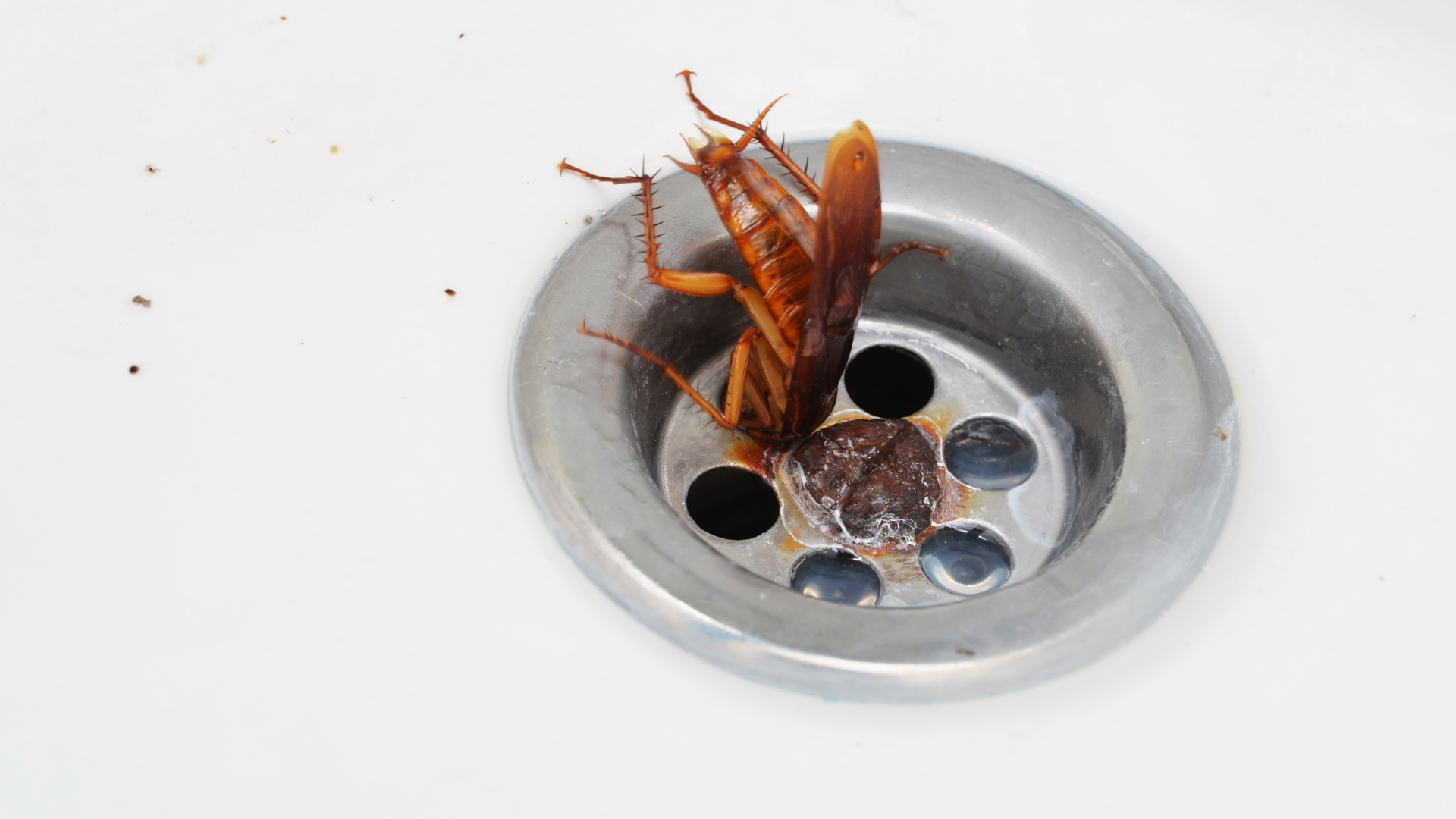
Why Natural Remedies Alone Fail to Stop Cockroaches in Maryland
Natural remedies can help reduce roach activity, but Maryland’s environmental and structural conditions often make DIY solutions ineffective at fully eliminating an infestation.
Maryland’s climate stays warm and humid for much of the year—ideal conditions for cockroach survival and rapid reproduction. Forested suburbs, older housing stock, and dense urban neighborhoods create countless harborage areas.
In cities like Baltimore, many rowhomes and apartment buildings share plumbing lines, electrical chases, and wall voids, which allow cockroaches to move freely between units regardless of how clean a home may be.
Because of these conditions, natural remedies usually fall short against challenges such as:
- German cockroaches, which reproduce faster than almost any other household pest
- Multi-unit infestations, where roaches re-enter from adjacent apartments
- Severe or long-established infestations with large egg populations
- Deep nesting sites inside appliances, wall voids, and subfloors that DIY methods cannot reach
These factors make cockroach elimination significantly more complex in Maryland than in many other states. Natural solutions may reduce the number of roaming roaches, but they rarely address breeding sites or prevent reintroduction from neighboring units.
Understanding these limitations helps homeowners avoid months of frustration and recognize when professional treatment is the only reliable long-term solution.
7 Natural Remedies for Cockroach Prevention
While these natural cockroach remedies are not foolproof, they can provide an extra layer of defense against cockroaches, especially when combined with other prevention measures or a home protection plan from a local exterminator.
1. Boric Acid
Boric acid is the most potent natural cockroach killer you can pick up from any garden store. Its effectiveness lies in its ability to disrupt the insect’s digestive system, ultimately leading to their demise. To use boric acid effectively, create a mixture with sugar or a bait that entices cockroaches.
While boric acid is considered natural, it’s important to exercise caution, especially in homes with pets and children, as boric acid can be harmful if ingested. By following proper application techniques and safety precautions, you can harness the power of boric acid for targeted cockroach control.
2. Neem Oil
Known for its natural insecticidal properties, neem oil offers a botanical solution to cockroach infestations. Neem oil disrupts the life cycle of these pests, acting as a deterrent and repellent. Applying neem oil in various forms, such as sprays or diluted solutions, can effectively discourage cockroaches from infesting your living spaces. Beyond its pest control properties, neem oil is eco-friendly, making it a preferred choice for those seeking sustainable solutions to their cockroach woes.
3. Peppermint Oil
There are several smells that keep cockroaches away naturally. Harnessing the aromatic and repellent qualities of peppermint, this essential oil serves as a natural deterrent for cockroaches.
By mixing a DIY peppermint oil spray with water, you can apply it to vulnerable areas prone to infestations to naturally deter cockroaches. Not only does peppermint oil discourage cockroaches, but it also leaves your home smelling fresh. This natural remedy provides a pleasant alternative to chemical-laden solutions, contributing to a healthier indoor environment.
4. Diatomaceous Earth
Diatomaceous earth–a fine powder made from fossilized algae–is a mechanical insecticide that can disrupt cockroaches. When cockroaches come into contact with diatomaceous earth, it damages their exoskeleton, leading to dehydration and eventual death. The proper application involves sprinkling the powder in areas frequented by cockroaches.
While diatomaceous earth is effective, it’s essential to follow safety considerations, particularly avoiding inhalation during application.
5. Baking Soda
The versatile baking soda, commonly found in kitchen cabinets, can also play a role in cockroach control. By creating a bait with baking soda and sugar, you can attract cockroaches, and the baking soda disrupts their digestive system, leading to their demise.
Baking soda’s accessibility and affordability make it an attractive option for homeowners looking for a straightforward yet effective DIY solution.
6. Bay Leaves
Bay leaves, known for their aromatic properties in culinary applications, also serve as a natural deterrent against cockroaches. Simply crush up bay leaves and leave them in a tea bag or saucer around infestation-prone areas to repel cockroaches. The pleasant fragrance of bay leaves adds an extra layer of benefit, contributing to a naturally fragrant home environment.
While bay leaves may not provide a complete solution on their own, they can complement other natural remedies for enhanced effectiveness. You should not rely on bay leaves solely as a natural solution.
7. Fabric Softener
ADIY fabric softener spray, diluted with water, allows for easy application in cockroach-prone areas. The dual purpose of fabric softener in laundry and pest control provides an economical and convenient solution for homeowners looking to repel cockroaches naturally.
Natural Cockroach Prevention Tips for Maryland Homeowners
These natural cockroach remedies work best when combined with common-sense cockroach prevention measures.
By being proactive, you can save time and money trying to be reactive in combating a gross cockroach infestation.
- Maintain a clean environment to eliminate attractants and potential food sources for cockroaches.
- Seal entry points such as gaps, cracks, and openings to prevent cockroaches from entering your home.
- Eliminate food sources by properly storing and disposing of food waste and fixing any leaks that may create moisture.
- Regularly conduct home maintenance activities to create an environment that is unattractive to cockroaches.
- Reduce clutter and organize storage areas to minimize potential hiding spots for cockroaches.
- Implement proactive measures, including regular inspections and repairs, to lower the likelihood of cockroach infestations in your home.
While prevention can go a long way in deterring cockroaches, they can still end up on your property for any number of reasons. Therefore, getting regular inspections and investing in professional cockroach solutions will give you total peace of mind.
Why Invest in Professional Home Prevention Plans for Cockroaches
Because cockroach infestations in Maryland often come from shared walls, neighboring units, or outdoor pressure, many homeowners turn to ongoing prevention plans offered by licensed exterminators.
These plans go far beyond what DIY remedies can accomplish by creating a protective barrier around your property and addressing the environmental conditions that attract roaches in the first place.
A professional prevention plan typically includes routine inspections, targeted treatments, and ongoing monitoring to ensure new roaches never have a chance to establish themselves.
Technicians identify moisture problems, sanitation risks, structural entry points, and nearby environmental conditions—issues that most homeowners don’t have the training or tools to identify on their own.
Prevention plans are especially valuable in:
- Older Baltimore rowhomes with shared walls and plumbing
- Multi-unit apartment buildings where roaches migrate between units
- Suburban neighborhoods near woods, streams, or dense vegetation
- Homes that have had repeated roach issues in the past
Rather than waiting for an infestation to escalate, prevention plans maintain year-round protection by applying professional-grade baiting strategies, long-residual insecticides in hard-to-reach areas, and exclusion recommendations tailored to your home.
These plans also keep cockroaches away in the winter when they are most active in Maryland, contrary to popular belief.
This proactive approach keeps populations suppressed, blocks new invaders, and provides homeowners with peace of mind in a region where roaches stay active every month of the year.
When Should I Call a Professional?
Regardless of the reasons for a cockroach infestation, it’s always keen to seek the help of a professional.
Persistent infestations, extensive damage, or health concerns should prompt homeowners to seek the expertise of pest management companies. Professionals possess the knowledge, tools, and experience to address severe cockroach issues comprehensively, ensuring the safety and well-being of residents.
While home remedies for cockroaches offer a natural and often cost-effective approach to pest control, it’s essential to strike a balance between DIY efforts and seeking professional assistance when needed.
By incorporating these natural defense mechanisms and adopting preventive measures, you can create an inhospitable environment for cockroaches in your Baltimore home. Whether you choose boric acid, neem oil, or peppermint oil, this guide aims to empower you with the knowledge to tackle cockroach infestations naturally and effectively.
FAQs: Home Remedies for Cockroaches
How to identify cockroach species?
Cockroach species can be identified by their size, color, and distinctive features. Common species include the German, American, and Oriental cockroaches. Online resources and pest control professionals can help with accurate identification.
What attracts cockroaches?
Cockroaches are attracted to food residues, water sources, and warm, dark spaces. Proper sanitation, sealing food containers, and fixing leaks can help deter them.
How often should traps be checked?
If you use a store-bought or DIY trap, check traps regularly, ideally every few days, to monitor cockroach activity. This allows for the timely removal and replacement of traps, ensuring their effectiveness.
Is boric acid safer than chemical sprays?
Generally yes, but it still requires caution. Boric acid is less toxic than many chemical insecticides, but children and pets should never have access to treated areas. Proper placement—deep in cracks, crevices, and appliance voids—is essential for safety and effectiveness.
How long does it take to see results from natural treatments?
Most natural remedies take several days to a few weeks to show noticeable results. Their effectiveness depends on roach species, the size of the infestation, and how consistently the treatments are applied.
Can peppermint oil alone stop an infestation?
No. Peppermint oil works only as a repellent. It may keep roaches away from certain areas, but it does not kill them or reach hidden nests. It’s most useful when paired with sanitation and targeted baiting.
Why do roaches return even after cleaning?
In Maryland, roaches often re-enter through shared plumbing lines, wall voids, utility penetrations, and drains. Multi-unit housing and older homes make reinfestation especially common.
Does diatomaceous earth work on large infestations?
Diatomaceous earth can help reduce populations, but it works slowly and must stay dry to be effective. Heavy infestations or German cockroach colonies usually require professional-grade treatments for full elimination.