

The most common stinging insects in Maryland are predatory wasps (such as Paper Wasps, Bald-Faced Hornets, Yellow Jackets, and Mud Daubers) and highly beneficial pollinators, including Honey Bees and Bumblebees.
You can easily distinguish between them based on their physical features and nesting habits: wasps are typically slender, smooth, and shiny, whereas bees are round, thicker, and fuzzy.
While most bees are gentle, certain species, such as carpenter bees, can cause structural damage by tunneling into unpainted exterior wood.
Accurate wasp identification in Maryland is critically important because between 5% and 7.5% of Americans suffer from severe insect sting allergies.
Furthermore, your approach to removal depends entirely on correct identification; while aggressive wasp nests often require prompt extermination, declining bee populations mean that beneficial species should be safely relocated by professional beekeepers rather than harmed.
In this guide, you will learn how to accurately identify each of Maryland’s common stinging insects, how to protect yourself from stings, and how to safely manage or get rid of them using professional stinging insect control.
How to Identify Common Wasps Found in Maryland
To accurately identify wasps and hornets on your property, you must look at their appearance, size, and the location/building materials of their nest. Performing a professional stinging insect inspection is the best way to determine if you’re dealing with a wasp nest and what type of wasp.
Paper Wasps
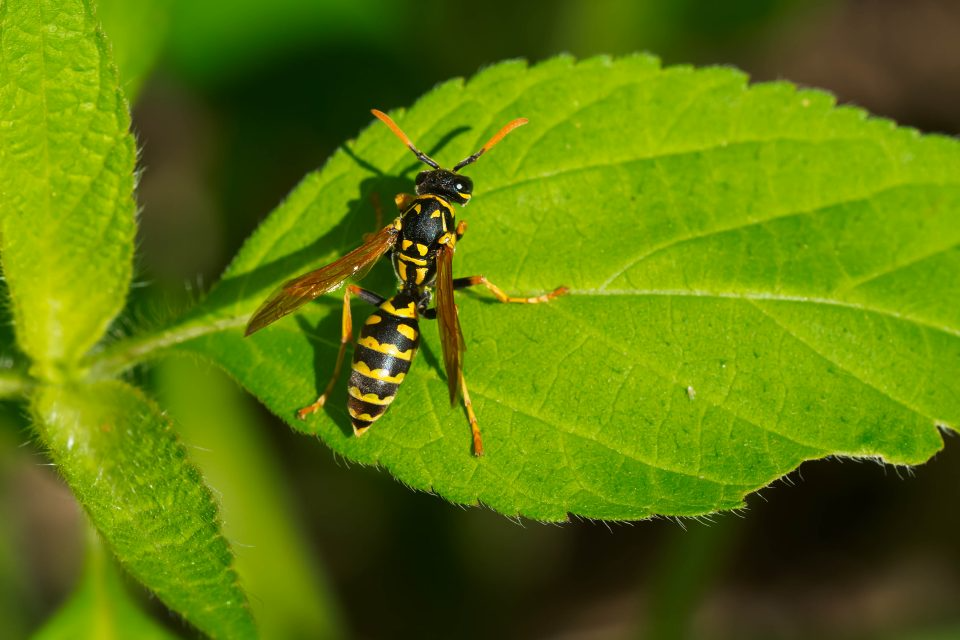
Paper wasps are slender stinging insects with long, thin legs and pinched waists. They can be best identified by the way their legs dangle underneath them when flying.
Paper wasps build distinctive, open-comb nests that look like an upside-down umbrella. Made from a papery mixture of chewed wood and saliva, these nests are completely exposed with visible interior cells and are typically suspended from roof eaves, porch ceilings, window frames, or deck railings.
Bald-Faced Hornets
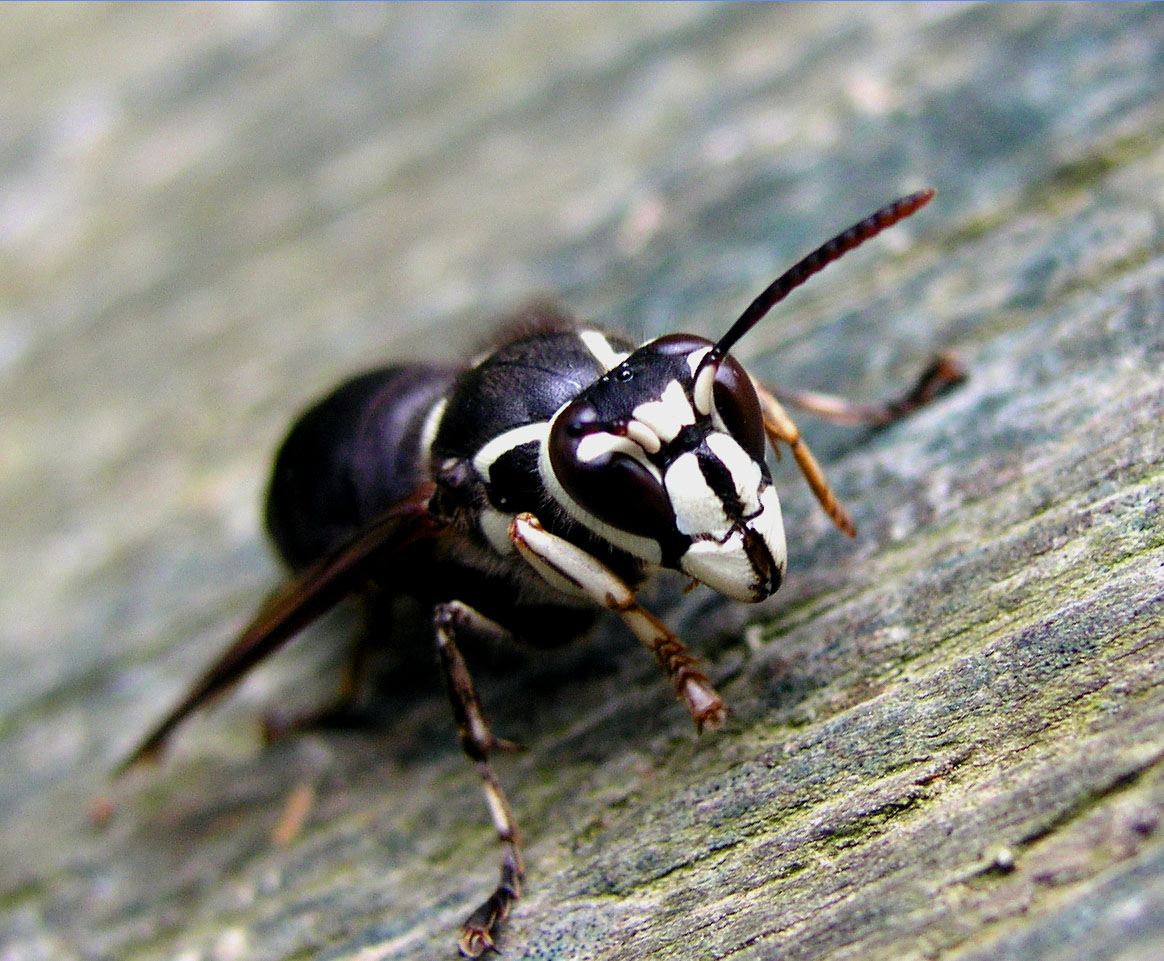
Bald-faced hornets are some of the more aggressive hornets and are known to sting more than once. Bald-faced hornets are black in color and have an off-white pattern on their faces, thorax, and the end of their abdomen.
These hornets build large, gray, football-shaped aerial nests that are fully enclosed by a thick, papery protective shell. They are typically found hanging high above the ground in tree branches or thick bushes, or occasionally attached to utility lines or the peaks of houses.
European Hornets
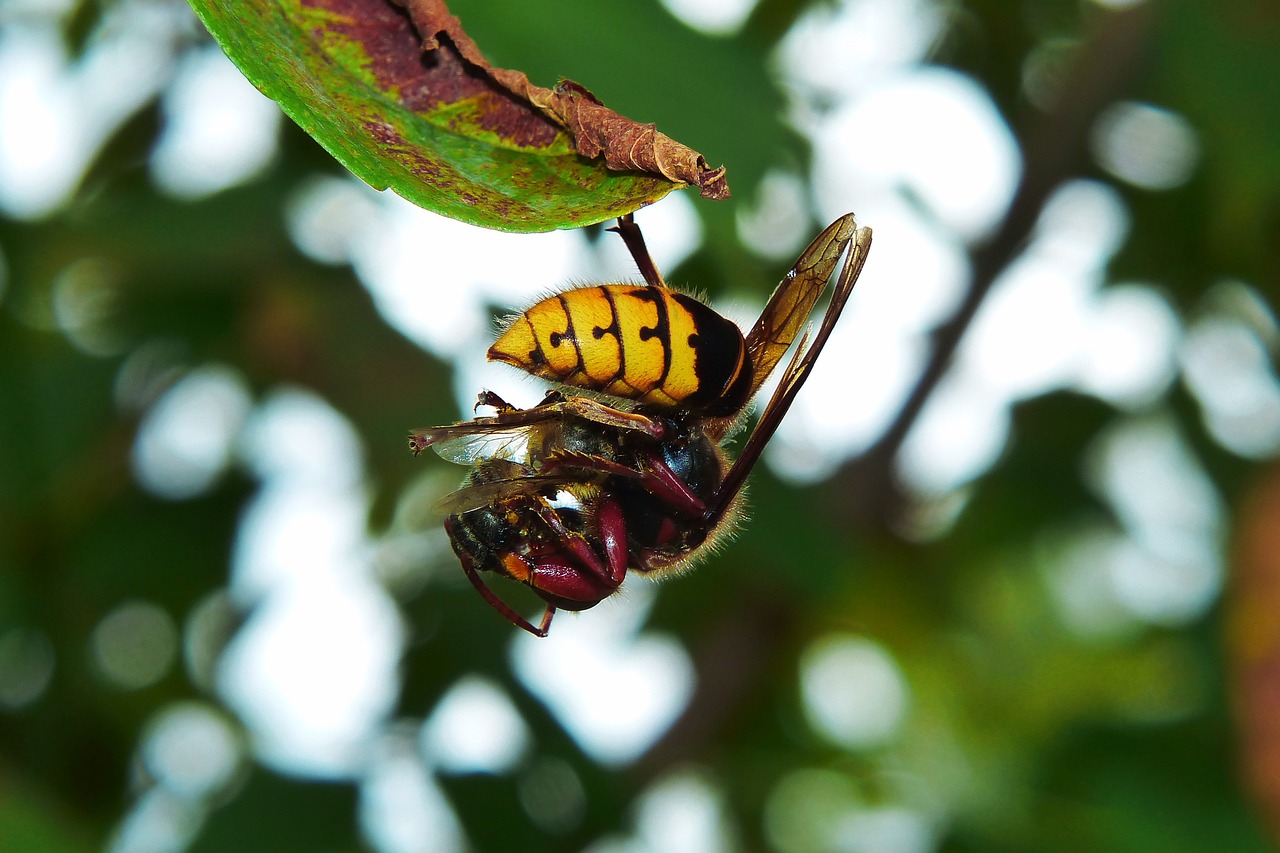
European hornets are the largest wasps native to Europe and are found across the Eastern US, including Maryland.
European hornets are not known to be aggressive toward humans unless provoked and are typically more active at night when they are hunting.
These hornets prefer dark, sheltered areas and usually build their nests inside hollow tree trunks, wall voids, attics, or barns. Their nests are large, brown, and wrapped in a coarse, papery outer envelope, often remaining completely hidden from view unless you spot the insects entering a structural gap
Yellow Jackets
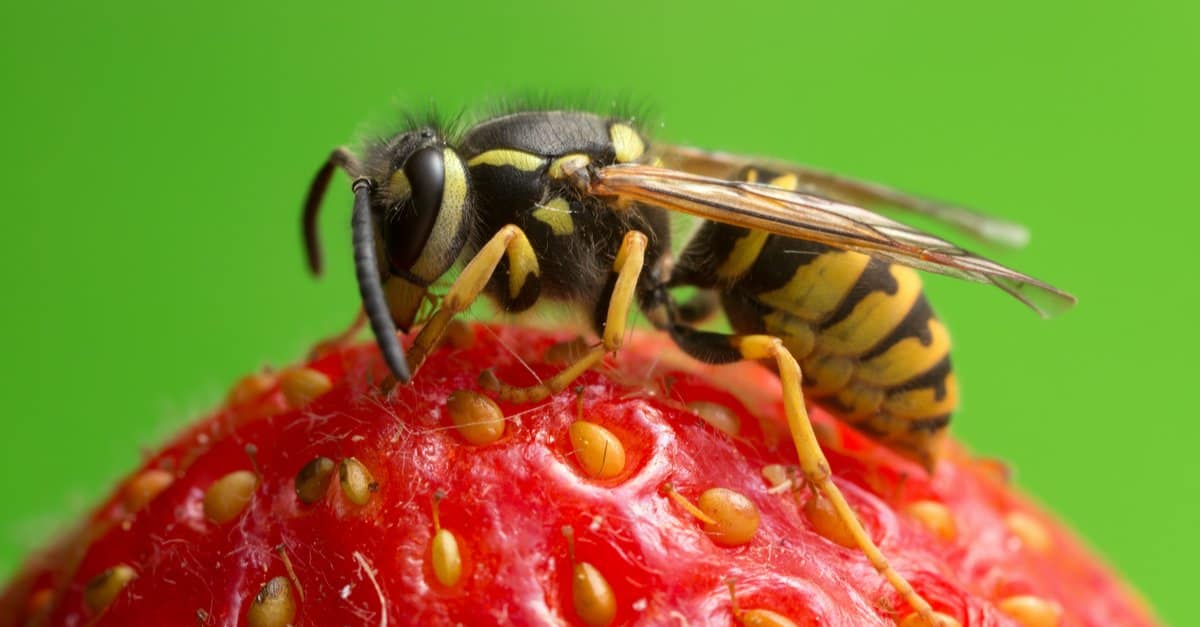
Yellow jackets are also known to be aggressive to humans and can sting repeatedly, potentially causing an allergic reaction in those unlucky enough to be stung. Yellow jackets have a distinct appearance, with bold yellow-and-black striped patterns and segmented, hairless bodies.
Yellow jackets are primarily ground-nesters, building massive paper colonies in old rodent burrows, beneath logs, or under landscaping ties. However, they will also build nests inside structural wall cavities or attics, making them incredibly dangerous if you accidentally step near or breach their hidden entry point.
Mud Daubers
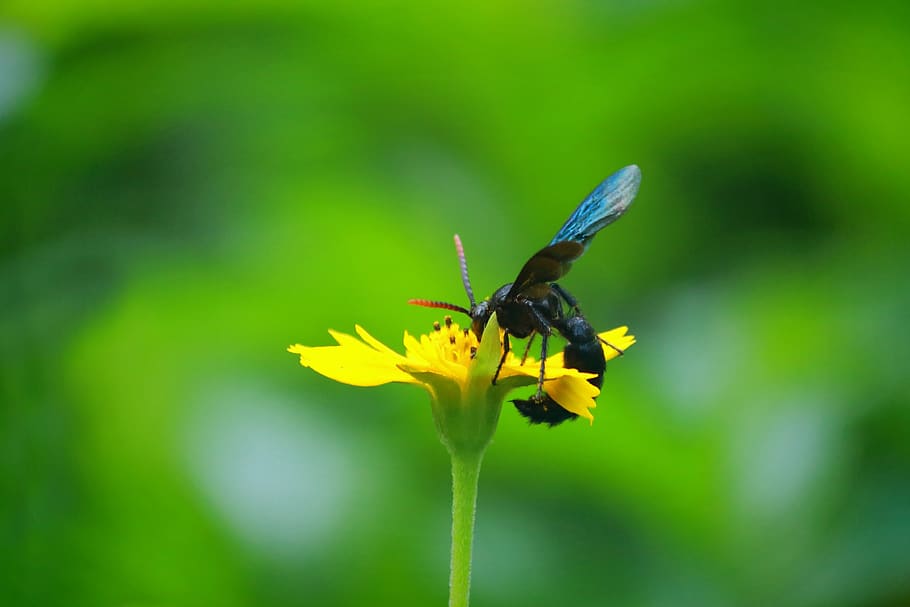
Mud daubers are lesser-known compared to other types of wasps, as they travel alone to build mud nests. Mud daubers have a unique appearance and are usually black in color with very thin “thread waists,” which refers to the long segment between the thorax and abdomen.
As solitary wasps, mud daubers do not live in colonies; instead, they plaster small, tube-like mud structures against flat, sheltered surfaces.
These hard, clay nests resemble organ pipes or small finger-sized tubes and are frequently found on garage walls, brick siding, sheds, and protected porch rafters.
How to Safely Get Rid of Wasps in Maryland
To safely get rid of wasps in Maryland, homeowners should follow a cautious approach that starts with precise species identification before taking action.
Species like yellow jackets and bald-faced hornets are highly aggressive and can sting repeatedly, potentially leading to a medical emergency if handled improperly.
Professional pest management experts recommend the following step-by-step process for handling an infestation:
- Positively Identify the Species: Before applying any treatment, look at the physical traits of the insect and the architecture of the nest. If it is determined to be a yellow jacket or hornet, seek professional help immediately.
- Locate and Map All Entry Points: Observe the insects from a safe distance during the day to trace their flight paths. This will help you identify where nests are clustered.
- Avoid DIY Traps and Structural Blocking: Never seal off a nest entrance inside a wall void with caulk or expanding foam; doing so will force thousands of stressed wasps to chew through your drywall and flood inside your living space. Similarly, retail bait traps often attract more stinging insects to your property rather than eliminating the core queen.
- Enlist a Licensed Professional: If a nest is large, located high off the ground, or buried inside a structure, do not attempt to treat it yourself. Partnering with a licensed pest control professional ensures the colony is eradicated using commercial-grade protective gear, specialized knockdown dusts, or liquid residuals that eliminate the entire hive safely.
While DIY aerosol sprays might work on a tiny, newly formed paper wasp nest on a low eave, established colonies require industrial techniques.
An experienced pest control professional can accurately assess the situation, deploy target-specific treatments that protect nearby beneficial pollinators, and implement preventative barrier treatments to stop new queens from nesting on your property next season.
How to Identify Common Bees in Maryland
To accurately identify bees on your property, look at their nesting habits, as bees build nests using honeycomb wax or excavated wood rather than papery pulp.
Recognizing these distinct nesting behaviors is the fastest way to determine the species and decide if professional live relocation is required.
Honey Bees
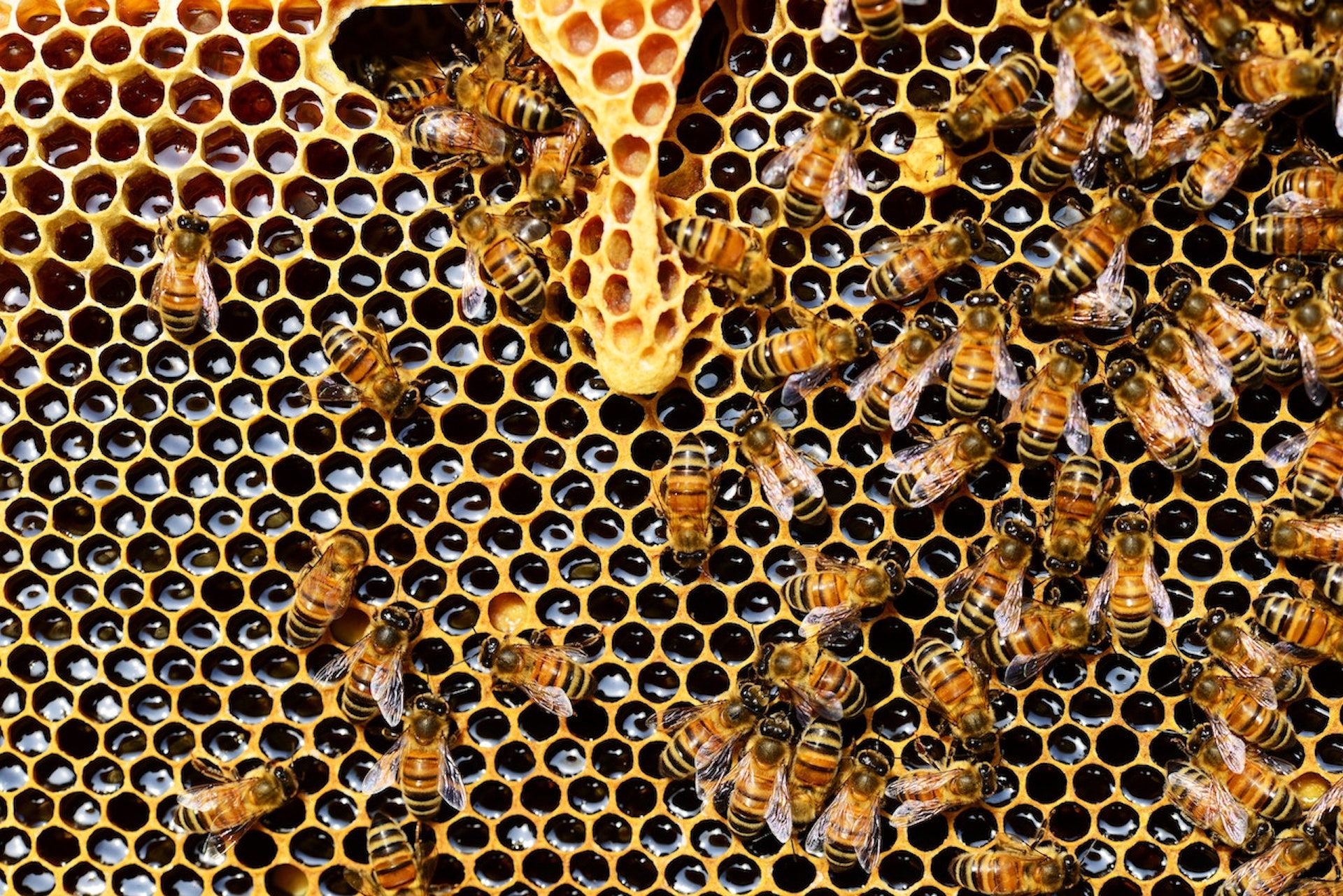
Honey bees have thick, oval-shaped bodies and are dark brown in color with yellow stripes. Honey bees are some of the best-known pollinators and pollinate billions of dollars’ worth of crops each year. They are typically calm insects and will usually only sting if provoked.
Honey bees build vertical wax combs hidden inside hollow trees, rock crevices, or structural wall voids. When colonies outgrow their homes, they temporarily cluster in large, exposed swarms on tree branches while scouting for a new permanent cavity.
Carpenter Bees
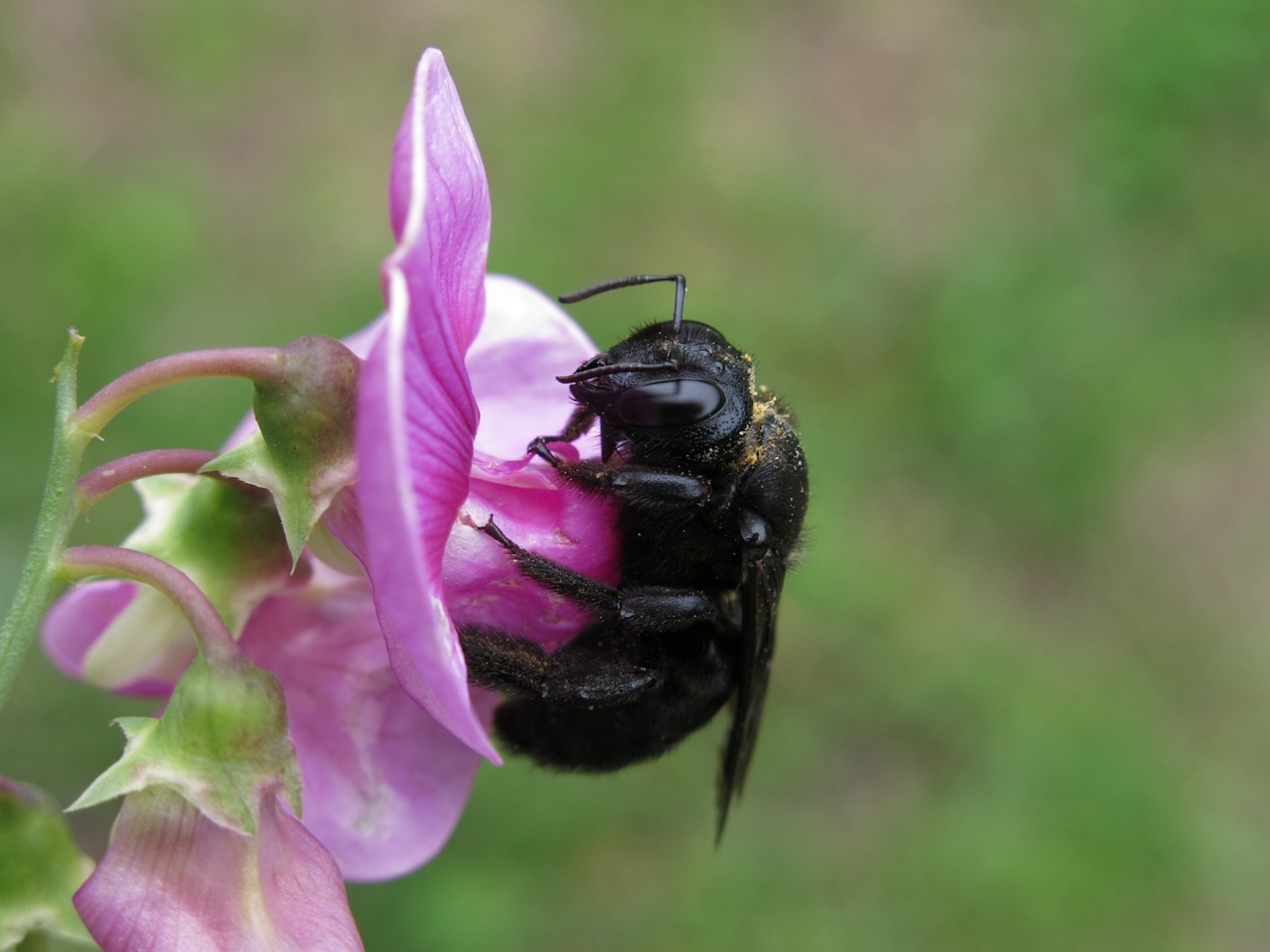
Carpenter bees have large, round bodies with smooth, black abdomens. Like honey bees, carpenter bees are pollinators, but they can also cause significant damage to wooden structures by boring into wood to build nests.
As solitary insects, they do not live in hives. Instead, individual females bore perfectly round, half-inch entry holes into unpainted or weathered exterior softwood, such as decks, fascia boards, and porch rafters, to tunnel out egg chambers.
Bumblebees
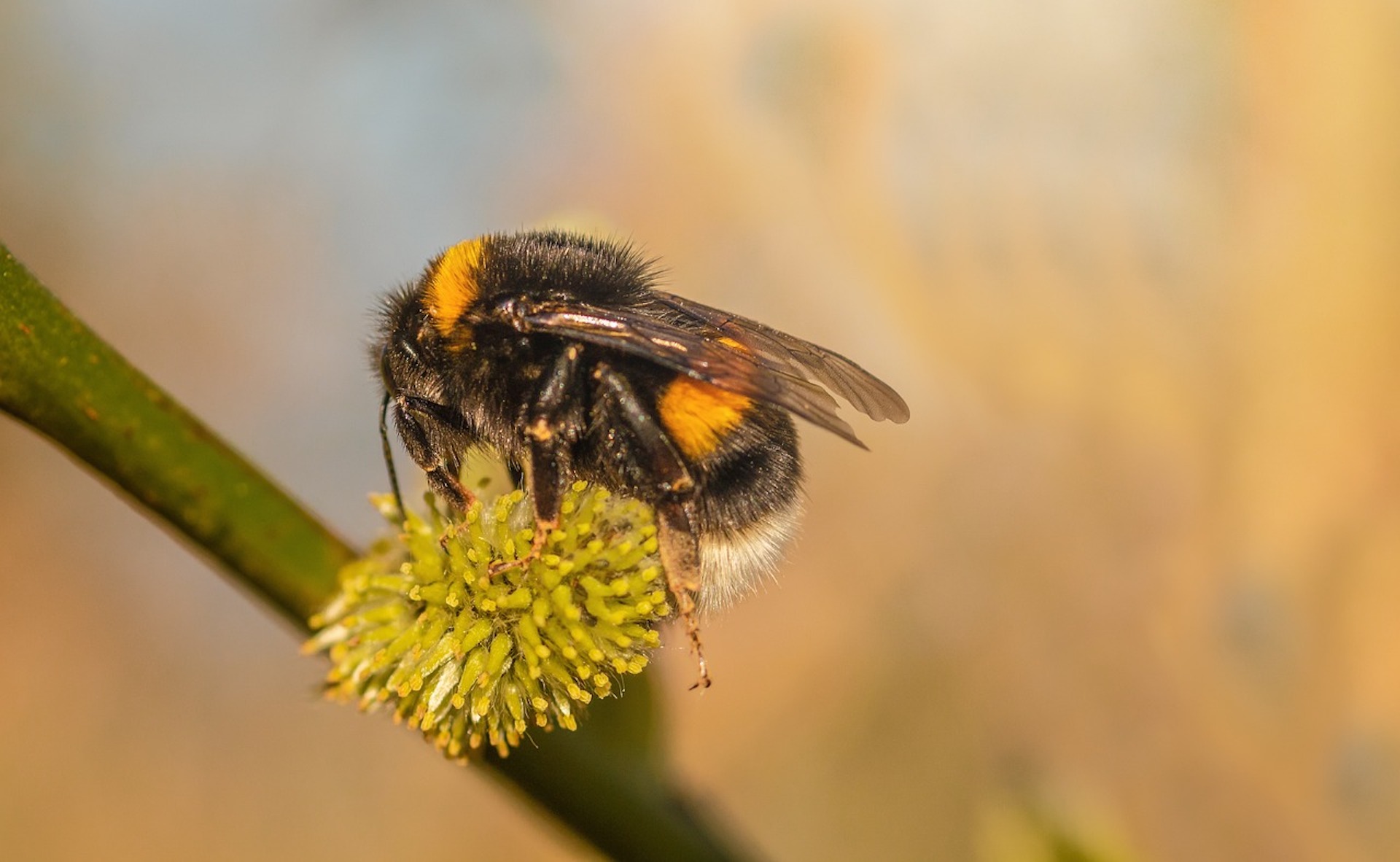
Bumblebees are round-bodied and have black-and-yellow hair covering their bodies. They are known to be some of the friendliest bees and will typically only sting if provoked.
Bumblebees are social ground-nesters that prefer building loose, small colonies in dark, insulated places. They typically set up their hives at or below ground level, using old rodent burrows, thick compost piles, or spaces beneath raised sheds.
How to Safely Remove Bees from Your Property in Maryland
To safely remove bees from your property in Maryland, you should prioritize live relocation by a professional beekeeper rather than extermination.
Follow these steps to properly identify a bee colony and safely relocate them from your home.
- Verify the Bee Species: Confirm that you are dealing with bees rather than wasps. Honey bees and bumblebees are beneficial pollinators that can often be safely relocated, while carpenter bees require structural repair rather than hive removal.
- Leave the Hive Alone: Do not spray the nest with retail pesticides, douse it with water, or attempt to block the entrance hole. Agitating the colony increases the risk of defensive swarming and stinging.
- Contact a Local Beekeeper: For honey bee swarms or established hives, reach out to local organizations such as the Montgomery County Beekeepers Association or the Maryland State Beekeepers Association. Local hobbyists and professionals frequently provide live removal services to safely vacuum and transfer the bees to a managed apiary.
- Address Carpenter Bee Damage: If you have carpenter bees, focus on structural exclusion. Wait until the bees emerge in the fall to treat the open tunnels with targeted dust, then plug the half-inch holes with wooden dowels and wood putty before painting over the surface.
Tips to Protect Yourself from Stings
To prevent stinging insect stings outdoors, you should minimize sensory attractants and maintain a safe physical distance from potential nesting sites.
Taking proactive personal precautions significantly reduces the likelihood of triggering a defensive attack from nearby foraging bees or wasps.
Pest control professionals recommend practicing the following sting prevention habits:
- Avoid Strong Scents: Refrain from using heavily scented soaps, shampoos, lotions, and perfumes before spending extended time outdoors, as sweet fragrances mimic flowers and attract foraging insects.
- Maintain Cleanliness: Wear clean clothing and bathe daily; sweat can agitate certain stinging insects and make you an easier target.
- Wear Light-Colored Clothing: Choose light, neutral, or solid-colored clothes, as bright floral patterns and dark colors can mimic natural predators or flowers.
- Protect Your Feet: Never walk barefoot outside in the grass where ground-nesting yellow jackets or foraging clover bees may accidentally be stepped on.
- Maintain Distance: Steer completely clear of known bee and wasp nests, keeping pets and children away from active flight paths.
- Stay Calm: If a stinging insect approaches you, remain perfectly still or walk away slowly while shielding your face; swatting or flailing increases the likelihood of a defensive sting.
By implementing these preventative measures and familiarizing yourself with common stinging insects in Maryland, you can confidently reclaim your yard and ensure a safe summer for your entire family.
FAQs
Are bee stings dangerous?
While most people who are stung by a bee won’t experience severe side effects other than pain at the site of the sting, bee stings can be dangerous for people with an allergy. Between 5 and 7.5% of Americans have a sensitivity to insect stings, and many are at risk of anaphylactic shock if stung.
Are wasp stings dangerous?
Similarly to bee stings, wasp stings are not typically dangerous to many people except for those with an insect sting sensitivity. Wasps are also known to sting their victims multiple times, as they are able to pull out their stingers without injuring themselves.
Are wasps good for gardens and homes?
Although the sight of a wasp can be frightening for many people, these stinging insects are actually good for gardens. Wasps are important pollinators and pollinate flowers, fruit trees, and garden crops. Wasps can also be beneficial for homeowners, as they eat other household pests, including flies and crickets.
Are bee populations declining in Maryland?
Yes, bee populations in Maryland and across the United States have faced significant declines over the past few decades due to habitat loss, pesticide use, climate changes, and diseases.
Because bees are essential pollinators for local agricultural crops and wild ecosystems, conservation laws and pest management practices heavily emphasize saving and safely relocating active colonies rather than exterminating them.
What should I do if I find a stinging insect nest on my property?
If you discover a stinging insect nest, maintain a safe physical distance and observe the insects from afar to determine if they are bees or wasps.
For aggressive wasp nests (like yellowjackets or hornets) located near high-traffic areas, contact a professional pest control company immediately to avoid dangerous, multiple stings; if the nest belongs to beneficial honey bees, reach out to a local beekeeping association to arrange a live extraction and relocation.
How can I prevent carpenter bees from damaging my wood structures?
To prevent carpenter bees from boring tunnels into your home, you should paint or varnish all exposed, weathered outdoor softwood, as these solitary insects heavily prefer nesting in raw, untreated lumber.
If they have already drilled holes into your decks or fascia boards, wait until the bees emerge in the fall to apply a protective dust, plug the entry points securely with wooden dowels or wood putty, and then paint over the repaired surface to deter future generations.