

Ticks in Maryland are active year-round, but disease transmission and tick bites tend to peak during the summer months between June and August,
Unlike the American dog tick and lone star tick, which go dormant in the winter, the black-legged tick (deer tick) remains active whenever temperatures exceed 35 degrees Fahrenheit. That means Lyme disease is a constant concern for Maryland residents.
Maryland’s warm climate offers ideal living conditions for tick activity. While risks are heightened during humid summers, many ticks remain active throughout the winter.
In this guide, you’ll learn when ticks are most active in Maryland and how to shield yourself from tick-borne illnesses using a combination of DIY prevention and professional intervention.
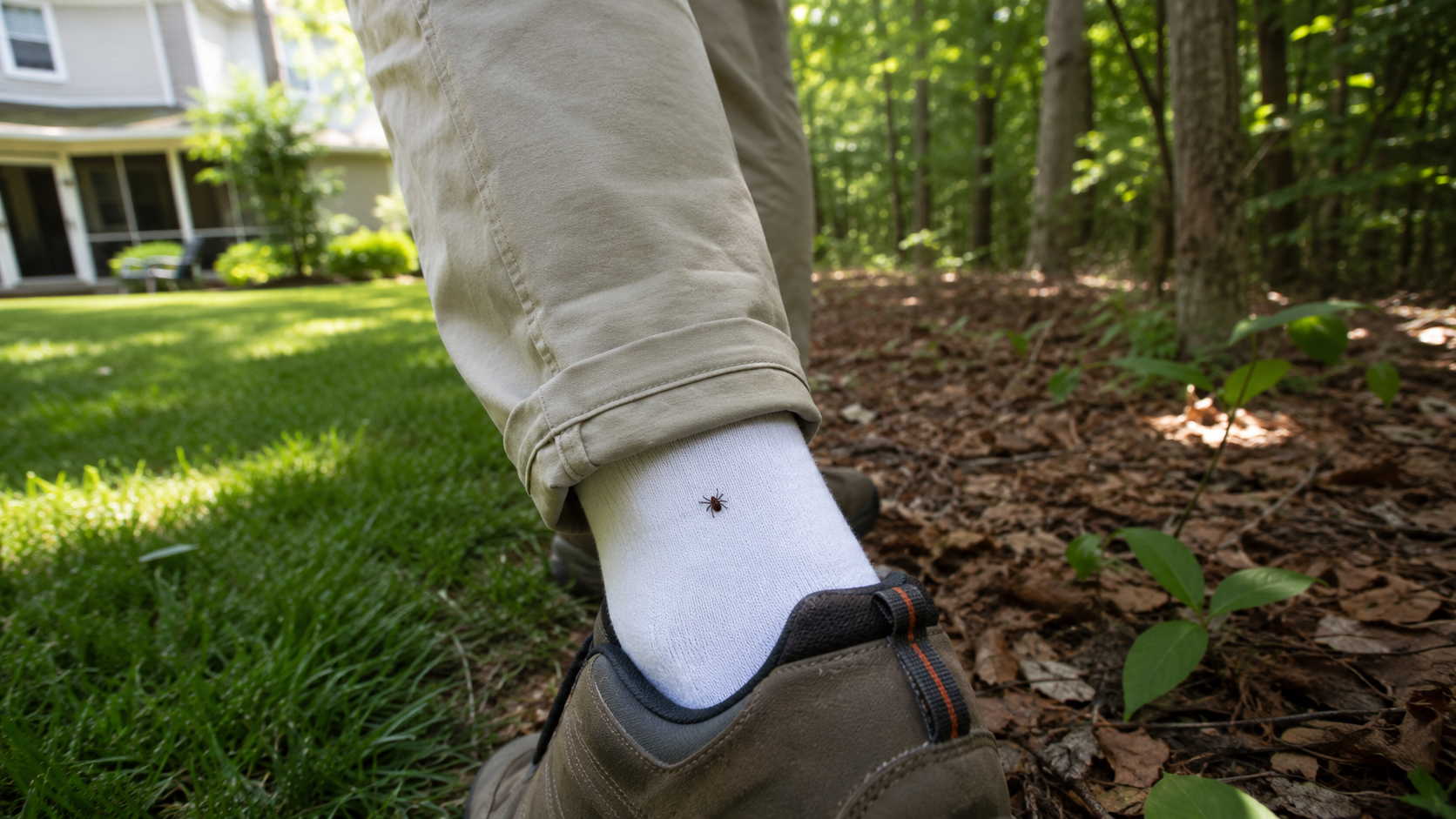 When Is Tick Season in Maryland?
Maryland doesn’t have a clearly defined tick season. It has three medically important tick species with overlapping activity periods:
- Black-legged tick (deer tick)
- American dog tick
- Lone star tick
Each follows a different life cycle and activity pattern. It’s important to note that black-legged ticks, also known as deer ticks, remain active year-round due to Maryland’s warmer climate.
May through July represents the highest-risk period in Maryland. All three medically important species are active then, with deer tick nymphs, the most dangerous stage, included.
Maryland Tick Activity by Season
Tick activity in Maryland varies significantly by species and life stage, with peak danger occurring during the warmer months, though some species remain a threat year-round.
- Black-Legged Ticks (Deer Ticks): The primary vector of Lyme Disease, these ticks are active year-round. Highly dangerous nymph-stage ticks peak from May through July, while adult activity peaks in the fall (October through December) and rises again in the spring (March through May) whenever temperatures exceed 35°F.
- American Dog Ticks: Strictly seasonal, they are inactive during the winter and active from April through August, with peak activity from May through July. They prefer open, grassy areas and roadsides.
- Lone Star Ticks: An aggressive, expanding species in Maryland that actively bites across all life stages. They are active from April through August, peaking from May through July, and are responsible for the spread of Alpha Gal Syndrome.
| Season / Timeframe | Active Tick Species & Stages | Primary Health Risks & Notes |
|---|---|---|
| Spring (March – May) |
|
Activity rises as temperatures exceed 35°F. Early seasonal risk for Lyme disease, Rocky Mountain spotted fever, and Ehrlichiosis. |
| Summer (May – July) |
|
Highest risk period of the year. Nymph-stage deer ticks are tiny and easily missed, significantly increasing Lyme disease transmission risks. |
| Late Summer (August) |
|
Activity begins to wind down for dog and lone star ticks, but precautions are still necessary in tall grasses and coastal areas. |
| Fall (October – December) |
|
Secondary peak for adult deer ticks. They remain highly active searching for hosts before winter. |
| Winter (January – February) |
|
Dog and Lone Star ticks are inactive. Deer ticks remain a threat on mild winter days when temperatures climb above 35°F. |
Are Ticks Active in Winter in Maryland?
Yes, ticks can be active during the winter in Maryland. However, only the Black-legged tick remains active in cold temperatures above freezing:
- Black-Legged Ticks (Deer Ticks): They remain active year-round and will actively search for a host any time winter temperatures rise above 35°F. During the winter, they insulate themselves in leaf litter, wooded areas, and brushy habitats.
- American Dog Ticks: This species goes completely dormant and is inactive during the winter months.
- Lone Star Ticks: They are strictly seasonal and will not become active again until spring.
How Maryland Residents Protect Themselves from Ticks Year-Round
While tick activity spikes during the spring and summer months, safeguarding your family from tick-borne illnesses requires a year-round commitment.
In Maryland, black-legged ticks (deer ticks) remain active during any season as long as temperatures are above freezing. This means that whether you are hiking in July or landscaping in December, consistent prevention is your best defense against Lyme disease and other tick-borne infections.
Whenever you or your family spend time outdoors, protect yourselves by following these essential best practices for getting rid of ticks:
- Wear the Right Gear: Stick to long sleeves and pants, especially when walking through wooded or unmaintained areas.
- Stay on the Path: Walk in the center of maintained hiking trails to avoid brushing against overhanging vegetation.
- Apply Repellent: Use an EPA-registered insect repellent proven to deter ticks. Professional sprays are more powerful and applied more safely than store-bought products.
- Do Regular Inspections: Always perform thorough, full-body tick checks on yourself and check your pets after outdoor activities.
- Maintain Your Yard: Minimize winter tick habitats around your home by removing accumulated leaf litter, keeping grass trimmed short, and reducing brush piles that harbor rodents.
While tick activity in Maryland shifts with the seasons, the year-round presence of deer ticks means that consistent, proactive prevention remains your best defense against Lyme disease and other serious tick-borne illnesses.
FAQs
When is tick season in Maryland?
Maryland does not have a dedicated tick season. Black-legged ticks (deer ticks) are active year-round when temperatures exceed 35 degrees Fahrenheit. However, American dog ticks and lone star ticks are active from April through August.
When are deer ticks most active in Maryland?
Deer tick nymphs are active from May through July, creating the highest Lyme disease transmission risk. Adult deer ticks are most active from October through December and again from March through May.
What month do ticks start coming out in Maryland?
American dog ticks and lone star ticks generally become active in April. Black-legged ticks, however, may already be active during warm periods in late winter.
Is August or July the worst month for ticks in Maryland?
July is generally the highest-risk month because all three medically important ticks are active. This includes black-legged nymphs, which pose the highest Lyme disease risk.
What kind of ticks are most common in Maryland?
The three most medically important species are the black-legged tick (Ixodes scapularis), American dog tick (Dermacentor variabilis), and lone star tick (Amblyomma americanum). The black-legged tick is the primary vector of Lyme disease, the American dog tick is known to transmit Rocky Mountain spotted fever, and the lone star tick is associated with ehrlichiosis and alpha-gal syndrome.
Do I need tick protection year-round in Maryland?
For deer tick exposure, yes. Maryland’s climate allows these ticks to remain active year-round, including winter days, and protection is always important.
Why is Lyme disease risk highest in spring and summer?
The highest risk occurs when nymphs are active. These ticks are extremely small and difficult to detect, allowing them to remain attached long enough to transmit disease.